IN
IN
 AU
AU
 UAE
UAE

Yoga for Kids with Special Needs: Gentle Practices to Support Emotional Regulation
Yoga for Kids with Special Needs: Gentle Practices to Support Emotional Regulation
Apply for Your 1:1 Discovery Call
100% Confidential • No Pressure • Free Session
⭐ @SoulSchool • 102,000+ YouTube Subscribers
BOOK NOW
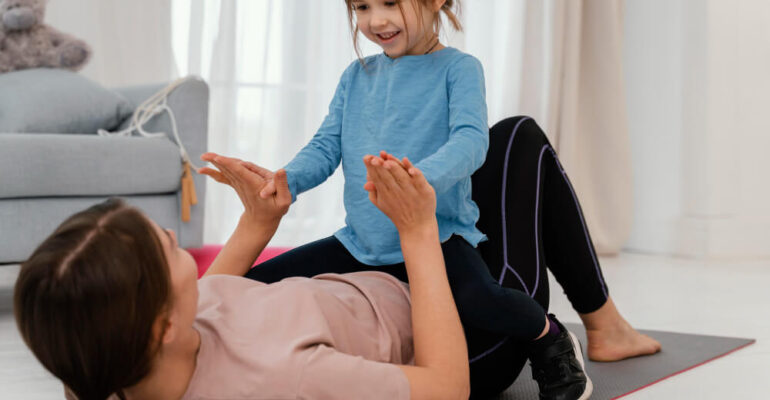
Children with special needs often face unique challenges around emotional regulation, sensory processing, and focus. Yoga for kids with special needs provides a gentle, structured way to help children calm their minds, connect with their bodies, and develop coping tools in a safe and playful environment.
From children on the autism spectrum to those benefiting from occupational therapy, these practices focus on emotional regulation while nurturing flexibility, strength, and confidence.
Why Yoga Helps Children with Special Needs
Yoga supports both body and mind in ways that can be particularly beneficial for children with special needs:
Apply for Your 1:1 Discovery Call
100% Confidential • No Pressure • Free Session
⭐ @SoulSchool • 102,000+ YouTube Subscribers
BOOK NOW
- Emotional Regulation: Calms the nervous system and teaches children to notice and release stress.
- Focus & Attention: Short, structured routines enhance concentration.
- Sensory Awareness: Movements and breathing exercises improve body awareness.
- Confidence & Independence: Mastering poses encourages a sense of accomplishment.
- Safe, Playful Engagement: Activities are tailored to individual needs, making yoga accessible and enjoyable.
Practicing yoga in a supportive environment can complement therapies like occupational therapy and help children integrate self-regulation strategies into daily life.
Gentle Yoga Practices for Kids
1. Seated Breathing (Belly Breathing)
- Sit comfortably or lie down, placing hands on the belly.
- Encourage slow inhalations and exhalations, imagining a balloon inflating and deflating.
- Supports calm and body awareness.
2. Cat-Cow Stretch
- On hands and knees, alternate arching (cow) and rounding (cat) the back.
- Enhances spinal mobility and relieves tension.
3. Child’s Pose
- Kneel, sit back on heels, stretch arms forward, and rest the forehead.
- Offers a grounding and soothing posture.
4. Butterfly Pose
- Sit with soles of the feet together and gently flap knees like butterfly wings.
- Opens hips and encourages gentle movement.
5. Happy Baby Pose
- Lie on the back, hold feet, and gently rock side to side.
- Promotes sensory integration and playful release.
6. Tree Pose (With Support)
- Stand with one foot on the opposite leg or on a wall for balance.
- Encourages focus, balance, and confidence in small, achievable steps.
Tips for Practicing Yoga with Special Needs
- Adapt to Individual Needs: Modify poses to suit flexibility, mobility, or sensory sensitivities.
- Keep Sessions Short: 5–15 minutes is often ideal for maintaining attention.
- Use Visual Supports: Pictures or videos help children understand the poses.
- Incorporate Play: Turn poses into fun games or storytelling adventures.
- Create a Calm Environment: Soft lighting, minimal distractions, and quiet music can help children engage.
- Encourage Self-Pacing: Let children choose when to rest or modify poses.
Benefits Beyond the Mat
Regular yoga practice can help children with special needs:
- Improve emotional regulation and self-control
- Develop sensory and body awareness
- Build strength, flexibility, and posture
- Increase confidence and independence
- Provide a safe, structured way to release energy and stress
Final Word
Yoga for kids with special needs is not about perfection it’s about connection, calm, and confidence. Gentle routines, mindful breathing, and supportive adaptations help children develop emotional regulation, body awareness, and focus while enjoying movement and play.
When practiced consistently, these routines become more than yoga they become a tool for resilience, calm, and empowerment, supporting children both at home and in therapy setting
Apply for Your 1:1 Discovery Call
100% Confidential • No Pressure • Free Session
⭐ @SoulSchool • 102,000+ YouTube Subscribers
BOOK NOW
Apply for Your 1:1 Discovery Call
100% Confidential • No Pressure • Free Session
⭐ @SoulSchool • 102,000+ YouTube Subscribers
BOOK NOW